
Boomerang Daffodils

On a neglected table in my garden sat a rather ordinary black flower pot. Covered in the remnants of rainfall, leaves and a little green algae, it has lingered unobtrusively within sight but out of mind. It’s true that for many summer months I had forgotten what plant used to live there. I guessed that my wild bursts of green thumb enthusiasm (closely followed by serious lack of maintenance) had found another victim.

At one point I remember considering using the sombre reciprocal for a splash of live mint on my kitchen windowsill, but in a moment of unusual clarity I had considered my classic lack of follow through and decided against it. I had almost unceremoniously emptied the contents into the back of the compost bin. No! Who am I kidding? I almost tipped the contents under a bush at the back of one of the flower beds!

About two months ago (on a ‘let’s really look at what’s going on in the soggy garden’ walk) I noticed some little pointed leaves shooting through the soil. I didn’t know what they were but was happy something had survived.

Today the same little pot sits on the table right outside my lounge window. Almost a dozen bright, joyous miniature daffodils greet me every morning and every evening and many repeated moments through the day. When I look at them, they fill me with a complicated joy.

You see, these daffodils used to live in a green plastic pot with a ribbon around it and a plastic little sign that read ‘Happy Mother’s Day’. I can remember arriving at her door with them on a Mother’s Day morning and the look on her face when she saw them. At some point before her death last year, she must have asked me to store the bulbs for her.

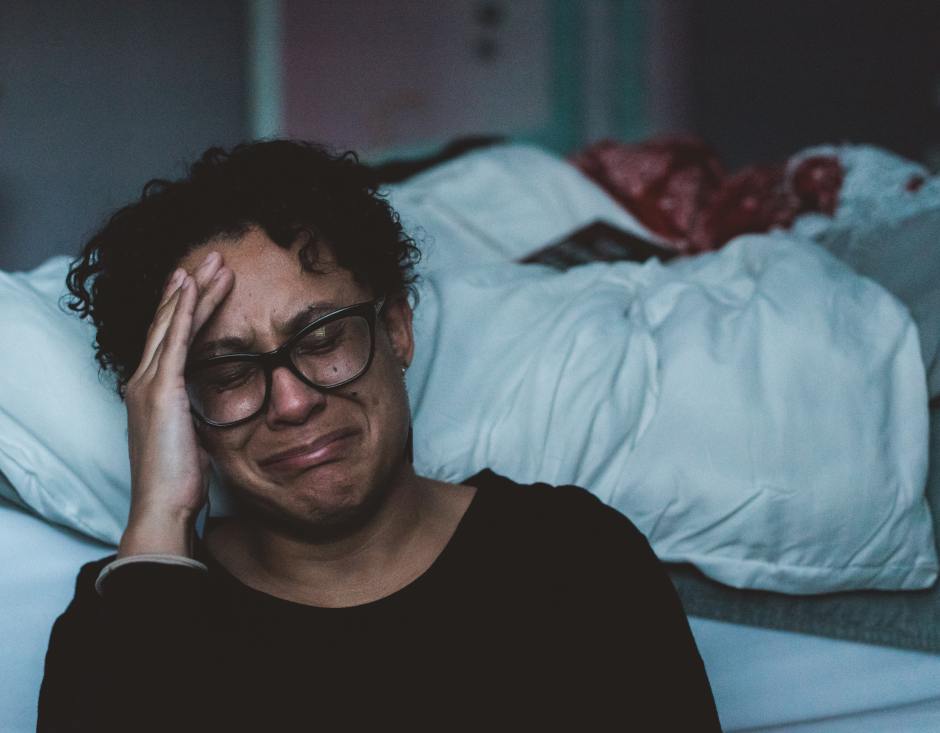
They say that the love you give comes back to you. More than a year after her death, my mother offers my love back to me. When I see them, I am so happy I bought them for her, so happy that they gave her joy. I am bereft that she isn’t here to see them with me; that I can’t laugh with her about a forgotten little garden pot filled with algae and moss who sprung forth with a display deserving of a Chelsea Flower Show.

Theye are living sunshine, bittersweet beauty.

 I drink them in. I drink them in for her. I drink them in from her.

 “Look Mom…. Daffodils”

I will try to fix you

Last time I looked, I didn’t own a magic wand! And, it’s true, there are times in my room I wish with all my heart that I had one.

Take the couple who have been together for 4 years and she discovers that her husband has changed his mind about wanting children. Or the couple who have spent 50 years together, only to discover there was an indiscretion about 5 years in. Perhaps it’s the wife who thought leaving her family in the UK whilst she started a family here wouldn’t worry her…only to find that it actually breaks her heart. Could be a child is seriously ill with little chance of recovery and this couple can’t face that together.

Yes. Sometimes I want a magic wand. I really really want a magic wand.

At times like these I settle back into the bigger questions about my practice.

What is my role?

In the midst of despair or journeys around corners heading into brick walls, the hardest part is to sit back and watch it happen. When, more than anything, I want the relationship in front of me to be ‘fixed’, to be warm and loving and offer both parties a soft place to fall, I am sometimes faced with the reality that none of that is going to happen.

People leave. People change. Life throws curve balls and sometimes things aren’t meant to be fixed. And for all the expertise that I have grown over all of these years and all the strategies, the goodwill, the rapport and connection…I am sometimes left with the fact that I can’t help to pull things together.

What I can do, is help couples understand their ‘whys’; help them accept with dignity, understanding and grace. Help them face what they never wanted to face and surprise themselves with the way they found their way through.

Yes – it’s true – I will try to ‘fix’ the relationships dynamics. I will try to inject some empathy and clarity and encourage experiential connection to happen right there in the room. To be honest, most of the time couples come through. Because getting in the door is already a step of dedication and sometimes……hidden somewhere deep in the conversation, we find the magic wand they had all along.

Of Death, Step-Parents, Displaced Parents and Blends.

As I sit to write this I can feel that sense of ‘do you have a right?’ sitting in the far reaches of the right side of my head. Crazy right? I’m a counsellor; feelings just are. But it really, really, really is never that simple. (Lots of ‘reallys’ and I meant every one).

You would gather that parts of me are in this story. And parts are clients. And parts are family – in all it’s forms.

When we think of step parents and blended families our mind goes to the two ‘parents’ in a home with children. But there are many far reaching effects of blended families for years to come . This short post is about one seldom thought of.

Imagine you have a step-dad from the age of 4 until you are 19 (when he leaves and starts another family). And imagine you are older and it is some 30-40 years later and he dies. My question is – what is your allocation of ‘ the right to grieve’?

If it’s your Mum or your Dad, your allocation of the right to grieve is obvious; it is not questioned. Or at least it’s not questioned if your Mum and Dad are still together.

If it is your step parent (and your parents stayed together until that step parent died) then a little nudge for allocation might be needed – like ‘He was my Dad from when I was 11 to now’. And Voila! – its kind of explainable and your grief is recognized; some may even say – understood.

But if your Step Dad or your Dad went on to have a whole new family the displacement is surreal. Funerals are organized by his ‘now family. And you watch the forward motion of social grief, with all it’s condolences and photographs and memories, steadfastly roll forward with little or no recognition of the 10 or 15 years of his life that you were pivotal in.

This displacement comes up in lots of situations but sadly (and understandably) those at the front of the line in the ‘right to grieve’ are tied up in their own grief – they may even feel they have more ownership of that grief.

So spare a thought for the son in law who only came on the scene 10 years ago when the rest of the family have been around for 40 years and gets none of the ‘I’m so sorry for your loss’…. Or for the daughter who sits at her fathers funeral, where she knows no-one and listens to stories all about her fathers new life and nothing about herself in his old.

If you are lucky – someone in their new life lets you in….just a little. It doesn’t stop the feeling of displacement. It doesn’t stop the questions about the ‘right to grieve’. But it helps.

Look around at Funerals. It takes nothing away from you to acknowledge those left holding she shortest ‘right to grieve’ straw.